Library
More sourcing notes
2026-10-14
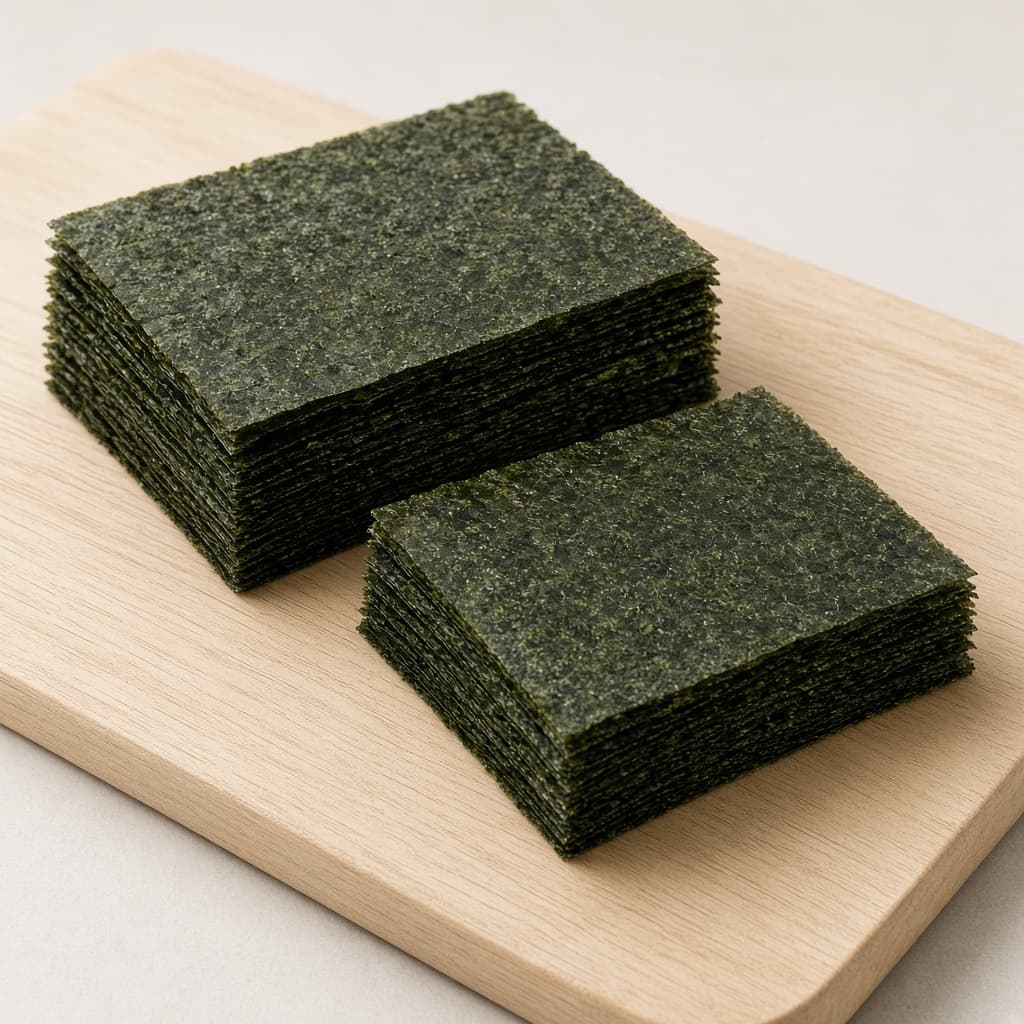
What Is the Difference Between Half-Cut Nori and One-Sixth-Cut Nori?
Half-cut nori is a sheet divided into two. One-sixth-cut nori is divided into six smaller pieces. Exact millimetre sizes depend on the original sheet and must be confirmed.
Read
2026-10-14
How to Choose Nori for Food Manufacturing
Choose nori from the process backward: wrapping, topping, blending, or snack packing. Then lock format, grade, moisture protection, and packing before asking for a bulk price.
Read2026-10-14
What Should Buyers Check When Sourcing Roasted Nori?
When sourcing roasted nori, confirm whether you need sushi sheets, snack sheets, or material for cutting. Then evaluate roasting, grade, moisture protection, and packing against samples.
Read2026-10-14
How Does Private Label Nori Packaging Work?
Private-label nori packaging starts with a locked product specification. Artwork, film, carton, and language follow after the SKU is defined. MOQ and lead time depend on printed packing, not only on nori processing.
Read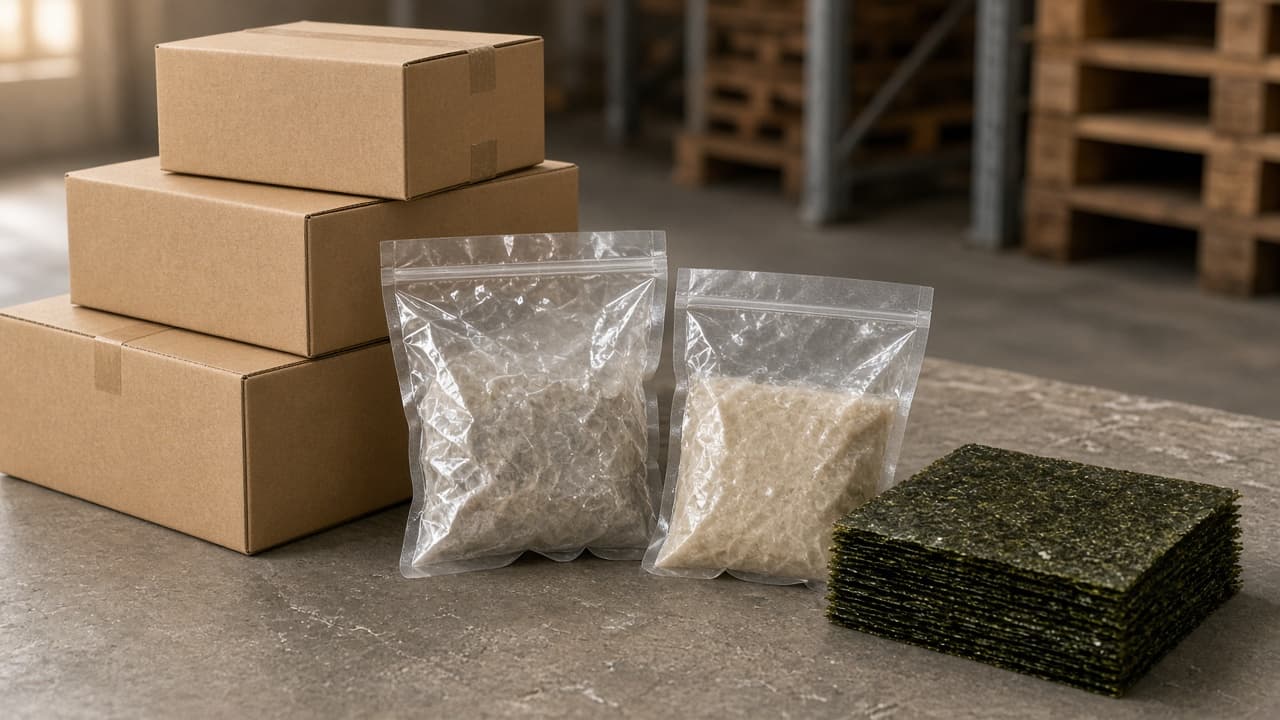
2026-10-14
What Information Should Be Included in a Nori RFQ?
A useful nori RFQ includes product name, application, format, specification or sample, packing, quantity, destination, and any OEM or private-label needs. Missing items slow quotation and increase sample cycles.
Read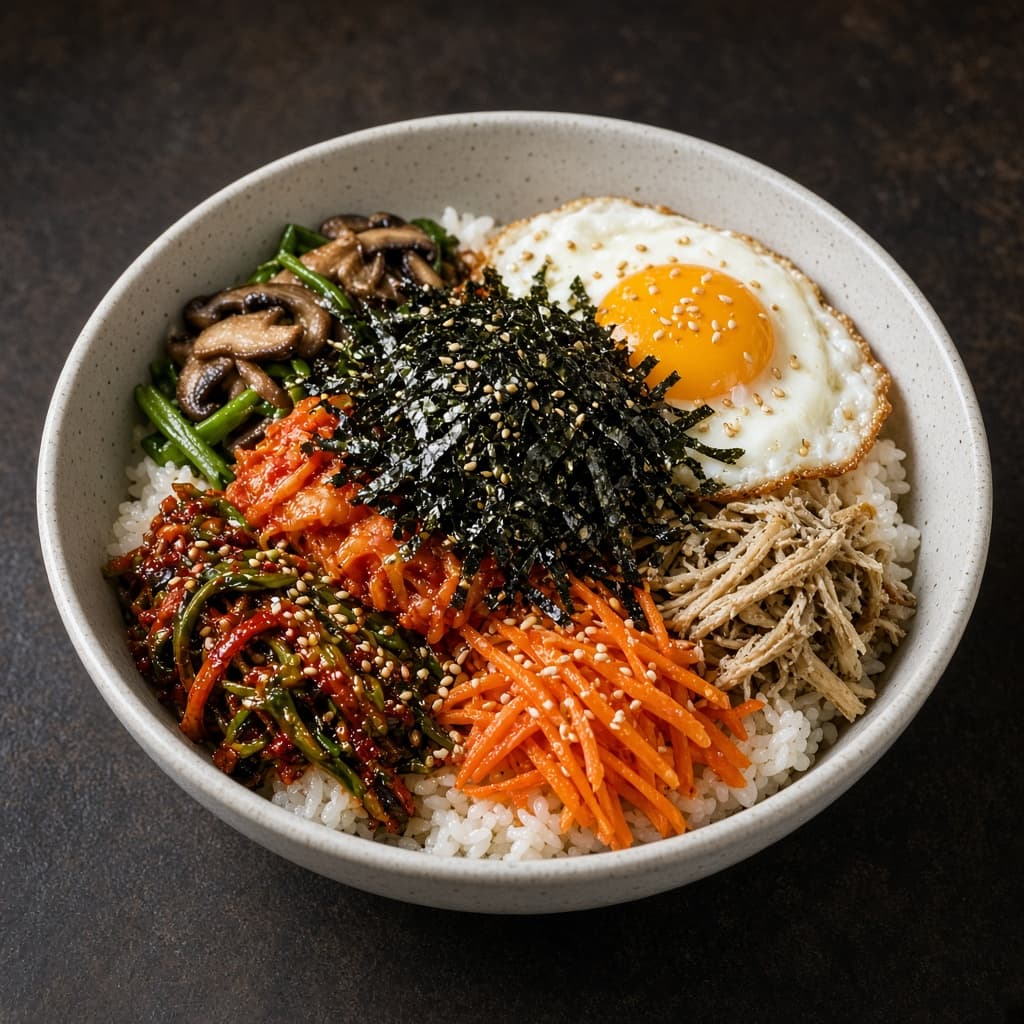
2026-10-14
How to Choose Seaweed Products for Foodservice
Foodservice buyers should match seaweed to station workflow: full sheets for sushi, half cuts for temaki, strips for onigiri, and shreds or flakes for garnish. Pack size should match usage speed so opened packs do not stale.
Read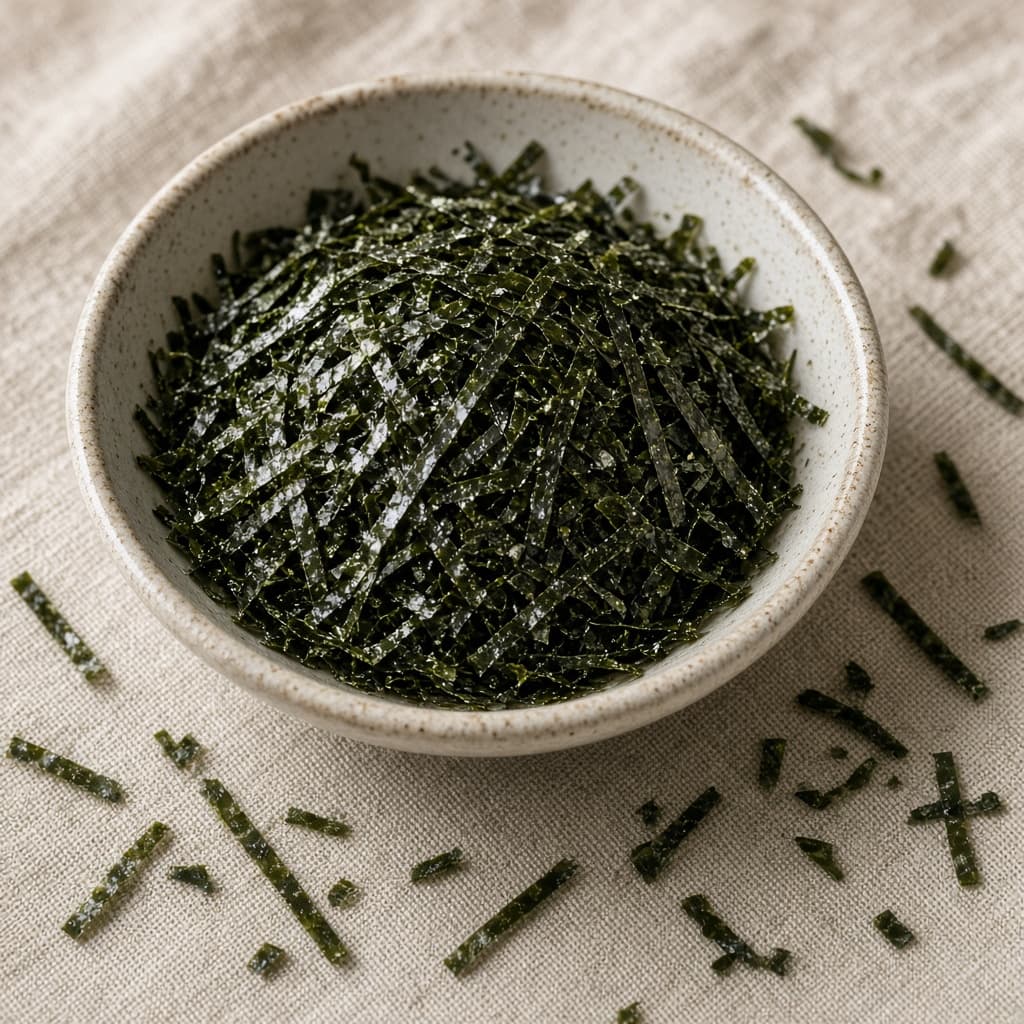
2026-10-14
What Is Kizami Nori Used For?
Kizami nori is shredded nori used as a visible garnish or ingredient on rice, noodles, soups, and prepared meals. It is not nori flakes and not nori powder.
Read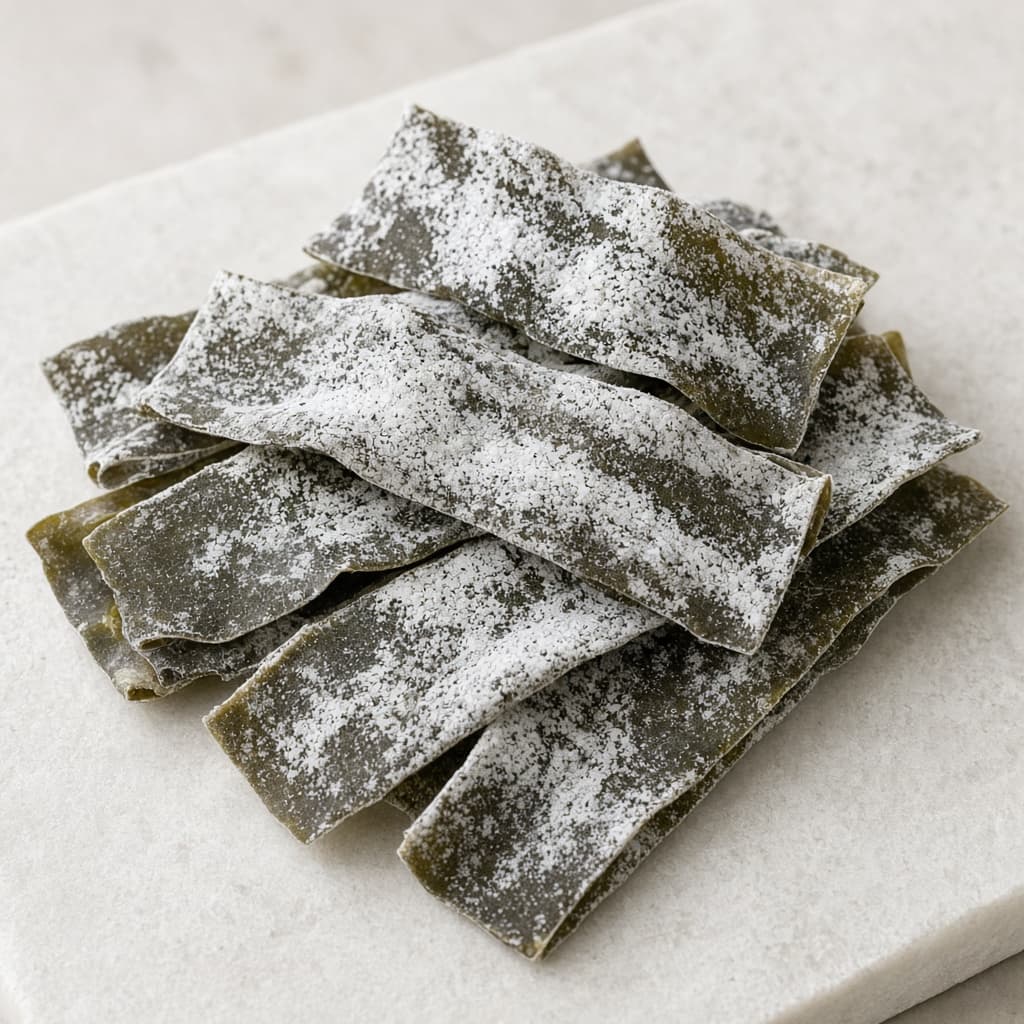
2026-10-14
What Is Kombu and How Is It Used in Food Processing?
Kombu is edible kelp used for broth, simmered foods, and processing. It is not nori. Buyers should confirm species, cut, and dryness rather than using sushi-nori grades.
Read2026-10-14
OEM vs. ODM for Nori and Seaweed Products
OEM usually means producing to the buyer’s existing specification. ODM means the supplier helps develop a product the buyer can brand. Private label is the brand-and-pack layer that can sit on either model.
Read